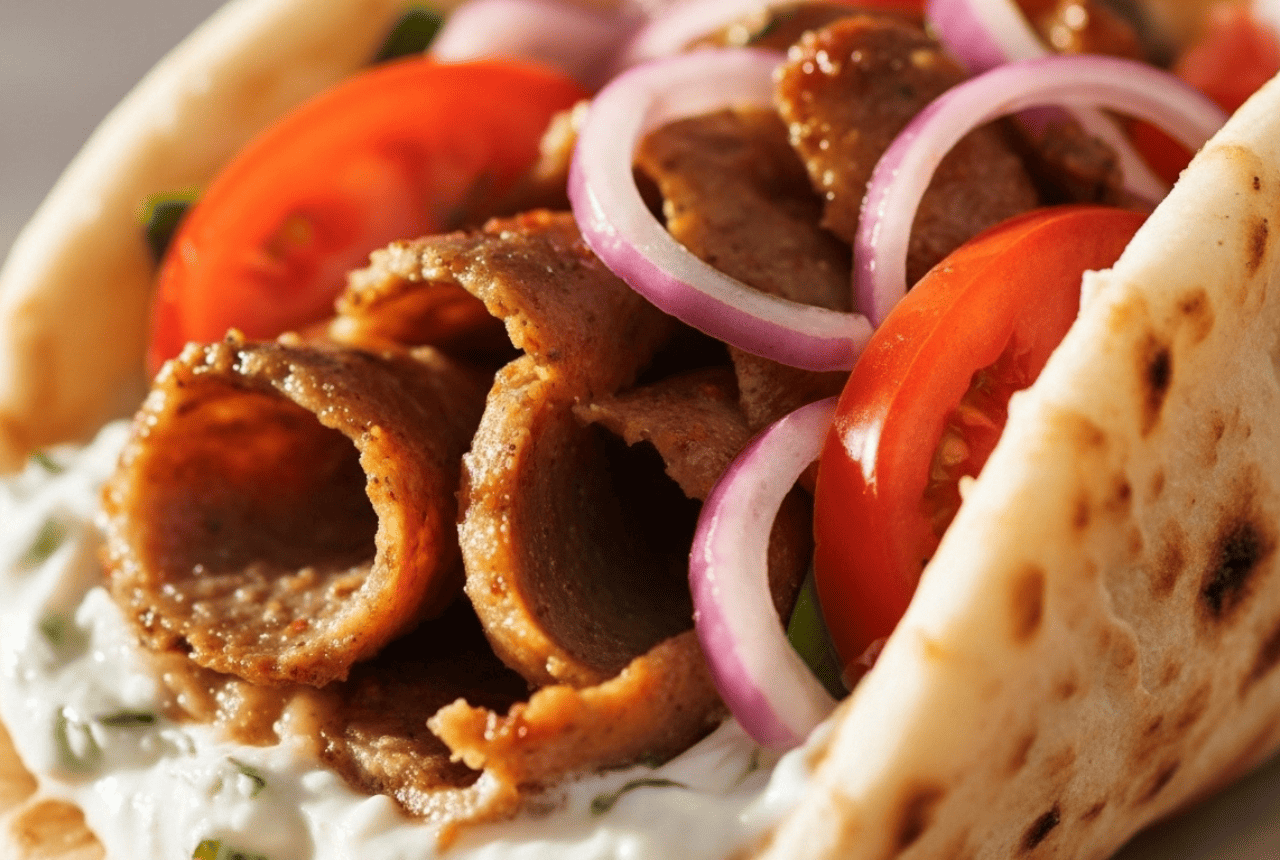
The tantalizing aroma of seasoned meat slowly cooking, the promise of tender, flavorful slices nestled in warm pita with creamy tzatziki – that's the magic of an authentic Greek gyro. For many, the sight of a massive, rotating cone of "gyro" (pronounced YEE-roh, meaning "to turn") meat is an unforgettable memory of strolling through the vibrant streets of Athens. The good news? You don't need a giant vertical spit to recreate that beloved taste and texture right in your own kitchen. The secret to achieving truly restaurant-quality greek gyro meat at home lies not in specialized equipment, but in mastering a few crucial preparation techniques.
Unveiling the Secret to Restaurant-Quality Greek Gyro Meat
The dream of making delicious, sliceable greek gyro meat that rivals your favorite Greek eatery is entirely within reach. While the traditional method involves thinly layered meat cooked on a vertical rotisserie, the true essence of that dense, tender texture comes down to two often-overlooked steps: protein extraction and compression.
These techniques are what allow home cooks to mimic the structure that naturally forms on a vertical spit. Protein extraction, often achieved through thorough blending or food processing, breaks down the meat fibers and emulsifies them with fat and seasonings, creating a cohesive paste. This paste is then subjected to compression, typically by baking it in a loaf pan under weight, which binds the meat even further. The result? A perfectly dense, succulent "loaf" that can be thinly sliced, just like the meat from a rotating cone.
The classic blend for authentic greek gyro meat traditionally features lamb and beef, offering a rich, savory depth of flavor. This combination is then infused with a careful selection of quality Mediterranean spices, such as oregano, garlic, thyme, and often a touch of cumin or paprika. The inclusion of Extra Virgin Olive Oil not only enhances the flavor profile but also perfectly aligns with the principles of the healthy Mediterranean Diet, adding a luxurious richness to every bite.
Pro Tip: How to Pronounce 'Gyro' in Greek
Want to sound like a local? The correct way to say Gyro is YEE-roh. Mastering this pronunciation is a quick way to show you appreciate authentic Greek street food!
Beyond the Spit: The Art of Homemade Greek Gyro Meat
Recreating the iconic texture of authentic greek gyro meat doesn't require a trip to a specialty restaurant supply store. The magic happens during the preparation, transforming humble ingredients into something extraordinary. This process begins with thoughtful meat selection and extends through precise seasoning and crucial textural steps.
Meat Selection and Seasoning: The Foundation of Flavor
- The Blend: Historically, lamb was prevalent in Greek gyros. However, pork has become a more common and economical option in Greece today. For a truly authentic and rich flavor profile, a blend of ground lamb and ground beef (often a 50/50 or 60/40 beef-to-lamb ratio) is ideal. This combination provides both depth and juiciness. Some variations even incorporate a small amount of pork. Ensure your ground meat isn't too lean, as the fat content contributes significantly to the flavor and tenderness.
- The Spices: This is where the Mediterranean soul of the gyro comes alive. Essential spices include dried oregano, granulated garlic (or fresh minced garlic), dried thyme, and often a hint of smoked paprika, cumin, and onion powder. Salt and freshly ground black pepper are non-negotiable. For an extra layer of aroma, consider a pinch of marjoram or a bay leaf during the cooking process.
- The Binder: A small amount of red wine vinegar or lemon juice can brighten the flavors, while a touch of Extra Virgin Olive Oil enriches the mixture and aids in the emulsification process.
The Crucial Steps: Protein Extraction and Compression
These two steps are what elevate homemade greek gyro meat from a simple seasoned meatloaf to something truly exceptional and sliceable. It's the difference between crumbly ground meat and the dense, cohesive texture you crave.
- Protein Extraction: This step involves processing the seasoned meat mixture in a food processor until it forms a very fine, almost paste-like consistency. The blades break down the muscle fibers, releasing proteins that bind the mixture together. This creates an emulsion, similar to making a sausage, which is essential for the dense, uniform texture. Do not skip this! It can take several minutes of pulsing and processing, ensuring there are no large chunks of meat remaining.
- Compression: Once the meat is processed, it's firmly packed into a loaf pan. The key here is to remove any air pockets and create a compact block. Many recipes suggest baking the loaf with a weight on top (like another loaf pan filled with cans) to further compress the meat as it cooks. This compression, combined with the protein extraction, ensures the meat holds its shape beautifully and can be thinly sliced after chilling.
By focusing on these detailed preparation techniques, you'll achieve that irresistible, authentic texture without needing a commercial rotisserie. For a more in-depth guide on selecting and preparing your ingredients, including specific spice ratios, you might find our article on Master Authentic Greek Gyro Meat: Prep & Classic Spices incredibly helpful.
Crafting the Complete Greek Gyro Experience at Home
While delicious greek gyro meat is the star, a true Greek gyro is a symphony of flavors and textures. Assembling it correctly is key to replicating that authentic street food experience.
What Comes in a Classic Greek Gyro? The Checklist
- The Meat: Of course, your freshly sliced, succulent homemade greek gyro meat. Ensure it's warmed through and slightly crisped on the edges for maximum flavor and texture.
- The Bread: Forget flimsy tortillas. Authentic gyros are served in thick, soft pita bread – typically a specific Greek-style pita that's sturdy enough to hold the generous fillings. Warm it gently on a griddle or in a pan until it's pliable and slightly puffed.
- The Sauce: Creamy, tangy Tzatziki is non-negotiable. Made from thick Greek yogurt, grated cucumber (squeezed dry), fresh garlic, dill, and a touch of olive oil and white wine vinegar, it's the perfect counterpoint to the rich meat. Making it from scratch truly makes a difference.
- The Toppings: Keep it fresh and simple. Thin slices of ripe red tomato and finely shaved red onion provide acidity, crunch, and a burst of freshness that balances the richness of the meat and sauce.
- The Classic Extra: In Greece, it's common (and utterly delightful!) to find a handful of crispy French fries tucked right inside the pita wrap, adding an unexpected but welcome salty crunch and satisfying carb element. Don't knock it 'til you've tried it!
Serving Beyond the Wrap
While the classic pita wrap is iconic, your homemade greek gyro meat is incredibly versatile. It's fantastic for:
- Gyro Bowls: Serve slices over a bed of fluffy rice or quinoa, alongside a Greek salad (cucumber, tomatoes, olives, feta), and a dollop of tzatziki.
- Salad Topping: Add thinly sliced gyro meat to a crisp green salad for a hearty and flavorful meal.
- Meal Prep: Cook a batch of gyro meat, slice it, and portion it out for quick and easy lunches throughout the week. It reheats beautifully.
The history of the Greek gyro traces back to the Ottoman Empire's doner kebab, adapted in Greece with local meats and abundant fresh produce. This rich culinary heritage is something you can now bring to your own table. For a full step-by-step recipe to put all these components together, be sure to check out our comprehensive guide on How to Make Authentic Greek Gyro Meat at Home.
Essential Tips for Gyro Perfection
Achieving the perfect homemade Greek gyro involves attention to detail. Here are some key tips to ensure your efforts are rewarded with an unforgettable meal:
- Do Not Skip Protein Extraction & Compression: This cannot be stressed enough. These are the "secrets" that deliver the authentic sliceable texture. Without them, you'll end up with flavored ground meat, not true gyro.
- Chill Thoroughly: After baking, it's crucial to let the gyro meat loaf chill completely, preferably overnight. This allows the fat to solidify and the flavors to meld, making it much easier to slice thinly and cleanly.
- Slice Thinly: The hallmark of great gyro meat is thin, almost translucent slices. Use a very sharp knife or even an electric slicer if you have one. Thinner slices mean more surface area for crisping and better texture in the wrap.
- Crisp the Slices: Before serving, pan-fry or griddle the thin slices until they have slightly crispy edges. This adds another layer of texture and enhances the flavor.
- Embrace Freshness: Use fresh, quality ingredients for your tzatziki and toppings. The vibrant flavors of ripe tomatoes, crisp red onion, and fresh dill make a huge difference.
- Season to Taste: While classic spice blends are a great starting point, feel free to adjust the seasonings to your personal preference after mastering the basic recipe.
- Make Tzatziki Ahead: Tzatziki benefits from an hour or two (or even overnight) in the fridge for the flavors to fully meld.
Recreating the magic of authentic greek gyro meat at home is a rewarding culinary adventure. By understanding the importance of protein extraction and compression, selecting quality ingredients, and paying attention to the details of assembly, you can bring the vibrant flavors and textures of Greek street food directly to your dinner table. So, roll up your sleeves, embrace the process, and prepare to delight your taste buds with a homemade gyro that truly captures the essence of Greece. Enjoy!
