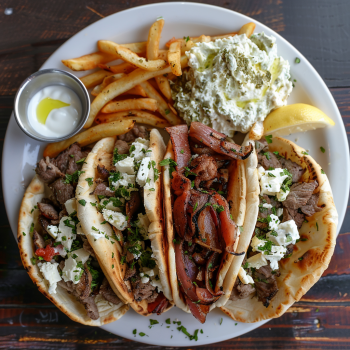
The aroma of sizzling meat, warm pita, and creamy tzatziki is an unforgettable signature of the bustling streets of Greece. At the heart of this iconic street food lies the magnificent massive, rotating cone of seasoned meat, known universally as the Gyro. Pronounced YEE-roh, a quick nod to its Greek origin meaning "to turn," this culinary delight has captured taste buds worldwide.
For many, recreating the magic of authentic greek gyro meat at home seems like an impossible feat without a specialized vertical spit. However, the true secret to achieving that restaurant-quality, tender, and perfectly sliceable gyro meat doesn't lie in the cooking apparatus, but rather in the meticulous preparation techniques. With the right approach, you can bring the irresistible flavors of Athens right into your kitchen.
Deconstructing the Authentic Greek Gyro: More Than Just Meat
Before we dive into crafting the meat itself, it's worth understanding the complete package that makes a Greek Gyro so beloved. While the seasoned meat is undeniably the star, its supporting cast plays an equally vital role in creating a harmonious culinary experience. The story of the Greek Gyro traces back to the Ottoman Empire's doner kebab, brought to Greece by refugees. Adapting the vertical rotisserie method, Greeks embraced readily available meats like lamb, beef, and pork, infusing them with local flavors and serving them with fresh, abundant produce.
A classic Greek Gyro typically includes:
- The Meat: Thinly sliced, spiced, and roasted meat – traditionally a blend of lamb and beef, though pork and chicken variations are also popular in Greece today.
- The Bread: A thick, soft, and slightly chewy pita bread, often warmed to perfection.
- The Sauce: Creamy, cool Tzatziki, a refreshing blend of Greek yogurt, cucumber, garlic, and dill that cuts through the richness of the meat.
- The Toppings: Freshly sliced tomatoes and thin slivers of red onion provide essential brightness and crunch.
- The Classic Extra: A handful of crispy French fries, often nestled right inside the wrap, adding a delightful textural and savory element that’s surprisingly authentic to Greek street food.
While each component is important, mastering the greek gyro meat is paramount to achieving an authentic experience.
The Heart of the Gyro: Crafting Your Authentic Greek Gyro Meat
The characteristic texture of traditional gyro meat – dense, flavorful, and perfectly sliceable – is a result of specific preparation methods designed to mimic the continuous cooking and compression of a vertical spit. At home, we achieve this through two key techniques: Protein Extraction and Compression. This method allows you to transform humble ground meat into a cohesive, loaf-like structure that, once cooked, yields those coveted thin slices.
The Perfect Meat Blend and Spices
Traditionally, greek gyro meat features a blend of lamb and beef. Lamb contributes a distinctive richness and gaminess, while beef adds a robust, savory depth. This combination is ideal for capturing the authentic flavor profile. However, you can adapt this based on preference, using all beef, or even adding a touch of pork for a slightly different character, as pork has become very common in Greece due to its availability and cost.
The seasoning is equally vital. Classic Mediterranean spices are the soul of the gyro. Expect a fragrant blend featuring:
- Oregano: The quintessential Greek herb, providing an earthy, slightly peppery note.
- Garlic: Pungent and aromatic, essential for depth of flavor.
- Thyme: Adds a subtle, woody fragrance.
- Marjoram: Similar to oregano but milder and sweeter, complementing the other herbs.
- Paprika: For a touch of color and mild sweetness.
- Cumin: Earthy and warm, a staple in many Mediterranean meat preparations.
- Salt and Freshly Ground Black Pepper: To enhance all the flavors.
Don't forget a generous glug of good quality Extra Virgin Olive Oil, which not only adds flavor but also helps bind the mixture and keep the meat moist. For a deep dive into perfecting your spice blend and prep, check out our guide on Master Authentic Greek Gyro Meat: Prep & Classic Spices.
The Game-Changing Techniques: Protein Extraction and Compression
This is where the magic happens and what truly distinguishes authentic homemade greek gyro meat from a mere spiced meatloaf. If you want the best texture, do not skip these steps.
- Protein Extraction: This involves processing the ground meat (and seasonings) in a food processor until it forms a cohesive, almost paste-like consistency. The vigorous blending breaks down muscle fibers and releases proteins, which then act as a natural binder. Think of it like making a sausage emulsion; it's this process that allows the meat to hold together firmly when cooked and sliced thinly, rather than crumbling apart. Without proper protein extraction, your gyro meat will lack the characteristic dense, uniform texture.
- Compression: Once processed, the meat mixture is pressed firmly into a loaf pan or mold. This step is critical for removing any air pockets and further compacting the meat, ensuring a solid, dense loaf. The more tightly compressed the meat, the better it will hold its shape and slice after cooking. This technique essentially mimics the natural compression that occurs as meat cooks on a vertical spit, constantly pressing down on itself.
These two steps are absolutely crucial for achieving the texture of authentic, sliceable greek gyro meat that rivals restaurant-style cones.
Step-by-Step: Making Your Homemade Greek Gyro Meat
Creating your own authentic greek gyro meat at home is a rewarding process that, once understood, is quite straightforward:
- Prepare Your Meat: Start with quality ground lamb and beef, ideally with an 80/20 lean-to-fat ratio for optimal flavor and moisture.
- Season Generously: Combine your meat with the chosen blend of Mediterranean spices, minced garlic, finely chopped onion (optional, but adds moisture and flavor), and a good drizzle of olive oil.
- Process for Protein Extraction: Working in batches if necessary, transfer the seasoned meat mixture to a food processor. Pulse and process until the mixture becomes a smooth, sticky paste. This can take several minutes, but don't rush it. You'll notice the texture change from crumbly to a uniform, almost emulsified consistency.
- Form and Compress: Transfer the processed meat to a loaf pan (a standard 9x5 inch pan works well). Press the meat down very firmly, using your hands or a piece of parchment paper to ensure it's tightly packed and all air bubbles are removed. The denser, the better.
- Bake to Perfection: Bake the loaf in a preheated oven at a relatively low temperature (around 300-325°F or 150-160°C) until it's cooked through and reaches an internal temperature of 165°F (74°C). The slow baking helps keep the meat tender and juicy.
- Chill Thoroughly: This step is non-negotiable for easy slicing. Once baked, let the loaf cool completely, then refrigerate it for at least 6-8 hours, or preferably overnight. Chilling solidifies the fat and tightens the meat, allowing for ultra-thin, clean slices.
- Slice and Crisp: Once chilled, carefully remove the loaf from the pan. Using a very sharp knife (or even an electric knife for the thinnest slices), slice the meat as thinly as possible. These slices can then be pan-fried or broiled for a few minutes per side until beautifully browned and slightly crispy, mimicking the caramelized edges from a vertical spit.
Pro Tip: For even thinner slices, you can also use a mandoline slicer, but exercise extreme caution. The goal is to get those delicate, almost transparent shavings that are a hallmark of authentic gyro.
Serving Your Masterpiece: The Complete Gyro Experience
With your homemade greek gyro meat ready, it’s time to assemble your perfect gyro. Warm your pita bread gently, either in a pan, microwave, or oven, making it soft and pliable. Spread a generous layer of homemade Tzatziki on the pita, then pile high with your crispy, thinly sliced gyro meat. Top with fresh tomato slices and thin rings of red onion. For the ultimate authentic touch, add a handful of golden French fries right into the wrap before folding it up.
Beyond the classic wrap, your homemade gyro meat is incredibly versatile. Use it to create delicious gyro bowls with rice or quinoa, top a vibrant Greek salad, or even prepare it in advance for healthy meal prep throughout the week. The possibilities are endless when you have such a flavorful and authentic foundation.
Conclusion
Bringing the taste of authentic greek gyro meat into your home kitchen is not only achievable but immensely rewarding. By understanding the core principles of protein extraction and compression, combined with the classic blend of lamb, beef, and Mediterranean spices, you can bypass the need for a vertical spit and create a dish that truly transports you to the sun-drenched streets of Greece. So, gather your ingredients, follow these techniques, and prepare to impress yourself and your loved ones with a homemade gyro that's as delicious and genuine as any you'd find in Athens. Opa!
