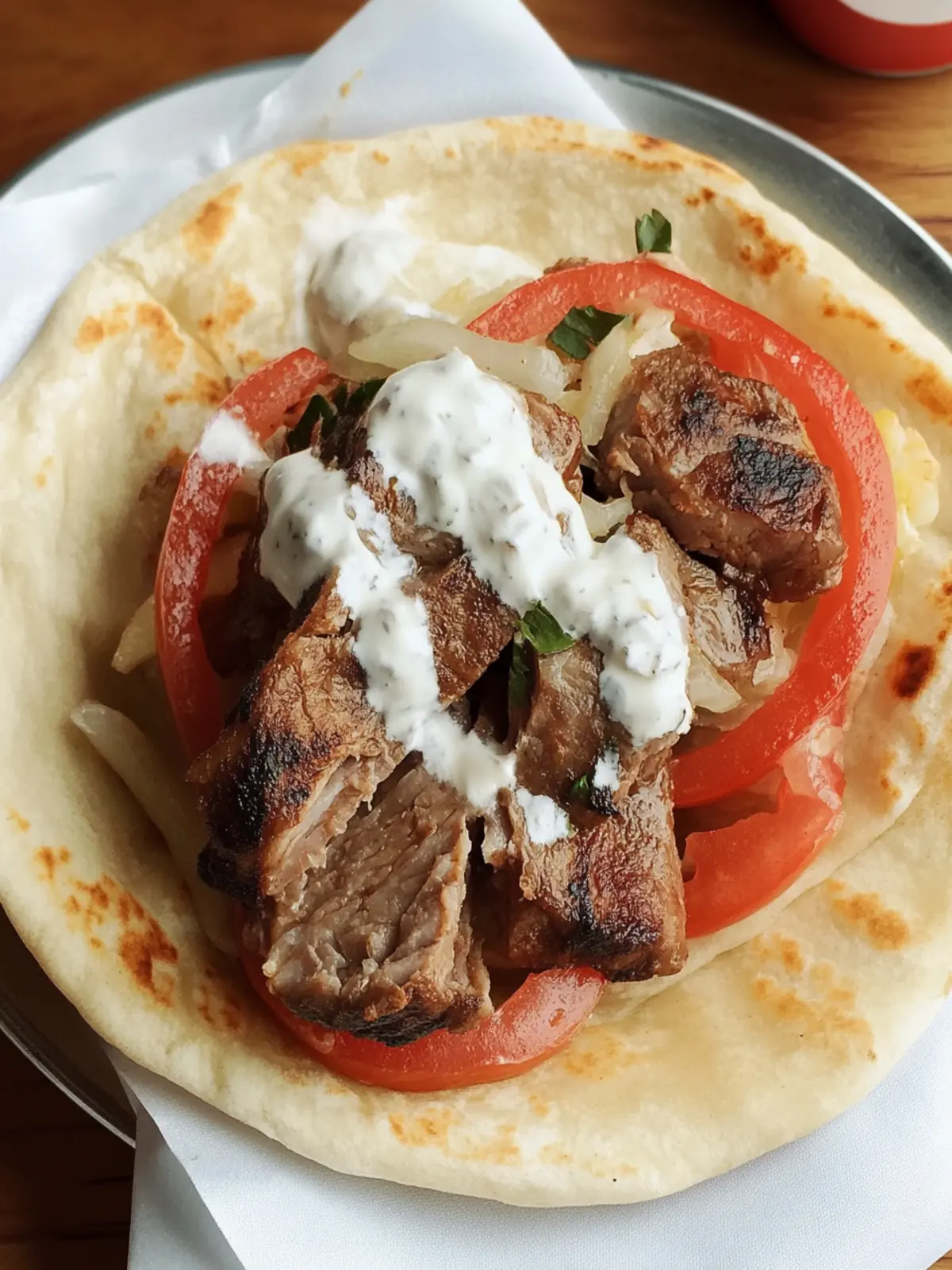
Master Authentic Greek Gyro Meat: Prep & Classic Spices
There's an undeniable magic to the Greek gyro. The sight of that majestic, rotating cone of seasoned meat, the intoxicating aroma wafting from a bustling Athenian street corner – it's an experience that transports you. The word “Gyro” (pronounced YEE-roh), meaning “to turn,” perfectly encapsulates the traditional cooking method on a vertical spit. But what if we told you that the secret to crafting authentic, tender, and perfectly sliceable Greek gyro meat isn't solely in the vertical rotisserie, but in a masterful blend of preparation techniques and classic spices, achievable right in your own kitchen?
For many, the idea of replicating that restaurant-quality gyro at home seems daunting. Store-bought versions often fall flat, lacking the dense texture and robust flavor profile that defines the real deal. This comprehensive guide will demystify the process, focusing on the crucial preparation steps and the time-honored Mediterranean spices that elevate homemade Greek gyro meat from good to unforgettable. Get ready to impress your taste buds and your guests with truly authentic flavors.
The Heart of the Gyro: Understanding Authentic Greek Gyro Meat
When you bite into a true Greek gyro, you're experiencing more than just a sandwich; you're tasting history and tradition. The origins of the gyro can be traced back to the Ottoman Empire's doner kebab, which found its way to Greece through refugees. Adapting the vertical rotisserie method, the Greeks began incorporating locally abundant meats like lamb, beef, and pork, infusing them with their distinct flavors of tzatziki and fresh vegetables.
Traditionally, Greek gyro meat was often made with lamb due to its prevalence. However, in modern Greece, pork has become a more common and economical choice, while blends of lamb and beef (or even all three) are also popular. For home cooks aiming for an authentic taste and texture, a blend of quality ground lamb and beef offers a rich, balanced flavor profile that closely mimics the classic street food experience. The key is not just the type of meat, but how it's prepared and seasoned to achieve that distinctive, thinly sliced texture.
The beauty of homemade Greek gyro meat lies in its versatility. Once prepared, it's ideal for classic gyro wraps, served in a bowl for a lighter option, or even as part of your meal prep for quick, delicious meals throughout the week.
The Secret to Restaurant-Quality Texture: Prep & Compression
This is where many home cooks miss the mark, and it's the most critical step for achieving sliceable Greek gyro meat without a commercial spit. The secret lies in two interconnected techniques: Protein Extraction and Compression. These methods are what bind the meat together, creating that dense, cohesive texture that slices beautifully, much like the slow-cooked meat from a vertical rotisserie.
Protein Extraction: When ground meat is processed in a food processor with a small amount of liquid (like water or olive oil) and salt, the muscle proteins begin to unravel and become sticky. This stickiness acts as a natural binder, essentially emulsifying the meat and preventing it from crumbling when cooked and sliced. Think of it like making a sausage without the casing – you're creating a tight, uniform matrix.
Compression: After the protein extraction, the meat mixture needs to be tightly compressed into a loaf or log shape. This removes air pockets and further enhances the density. For home preparation, this usually involves firmly pressing the meat into a loaf pan or shaping it into a log wrapped in foil, then chilling it. Chilling allows the proteins to set, making the loaf even firmer and easier to handle and slice after baking.
When you skip these steps, your homemade gyro meat will likely resemble a glorified meatloaf – delicious, perhaps, but not the thin, tender slices you crave. The vertical spit achieves a similar effect through continuous rotation, slow cooking, and self-basting, which gently tenderizes and compacts the meat over hours. By mimicking the *result* of that process through careful preparation, we unlock the secret to The Secret to Restaurant-Quality Gyro Meat at Home in our own ovens.
Practical Tips for Protein Extraction and Compression:
- Use a Food Processor: This is your best friend for protein extraction. Pulse the ground meat with your seasonings and a splash of water or extra virgin olive oil until it forms a sticky paste. It should look almost like a very thick batter, not just crumbly ground meat.
- Don't Overdo It: While you want stickiness, don't turn it into a complete puree. A few minutes of pulsing is usually sufficient.
- Firmly Pack: Whether using a loaf pan or shaping a log, press the meat mixture down with significant force. Use parchment paper or plastic wrap to help create an even, compact surface.
- Chill Thoroughly: Refrigerate the compressed meat for at least 4 hours, or ideally overnight, before baking. This firming-up stage is crucial for texture.
Crafting the Signature Flavor: Classic Greek Gyro Spices
Beyond texture, the distinct taste of Greek gyro meat comes from a carefully selected blend of Mediterranean spices. These aren't just thrown together; each plays a role in building layers of aromatic depth that are both savory and slightly earthy.
- Oregano: This is arguably the most dominant flavor in Greek cuisine, and Greek gyro meat is no exception. Opt for dried Greek oregano if possible, as it has a more robust and floral flavor profile compared to Mexican oregano. It brings an earthy, peppery, and slightly bitter note that is essential.
- Garlic: Fresh minced garlic or garlic powder provides a pungent, savory base. Garlic is fundamental to Greek cooking and pairs beautifully with the richness of the meat.
- Thyme: Adding a subtle, woodsy, and slightly minty note, thyme complements the oregano without overpowering it.
- Marjoram: Often mistaken for oregano, marjoram is actually a milder, sweeter cousin. It contributes a delicate, slightly floral undertone that adds complexity.
- A Touch of Spice (Optional but Recommended): Some recipes incorporate a pinch of cumin for warmth and depth, or a hint of smoked paprika for a subtle smoky flavor and color. These are not always traditional but can enhance the overall profile.
- Salt and Black Pepper: Crucial for seasoning and bringing out all the other flavors. Don't skimp on these.
- Extra Virgin Olive Oil: Far from just a cooking fat, a good quality extra virgin olive oil is often incorporated directly into the meat mixture. It adds richness, moisture, and a subtle fruity note that is quintessential to Mediterranean flavors, while also aiding in the protein extraction process.
The synergy of these spices, combined with the quality of the lamb and beef, creates the unmistakable aroma and taste that transports you straight to the streets of Athens.
Assembling Your Authentic Greek Gyro Experience
Once your perfectly seasoned and compressed Greek gyro meat is baked to juicy perfection (typically in a loaf pan, then sliced and browned in a pan for crispy edges), the real fun begins: assembling the full Greek gyro experience. This isn't just about the meat; it's about the symphony of fresh, vibrant ingredients that come together in every bite.
Here's the classic checklist for what comes in a Greek gyro, completing your homemade masterpiece:
- Pita Bread: Not just any pita! Seek out thick, soft, and fluffy Greek-style pita bread. Warm it gently on a griddle or in a pan until it's pliable and slightly toasted.
- Tzatziki Sauce: This creamy, tangy condiment is non-negotiable. Made from thick Greek yogurt, grated cucumber (squeezed dry), fresh garlic, dill, and a splash of olive oil and vinegar, it provides a cooling counterpoint to the rich meat.
- Fresh Sliced Tomatoes: Ripe, juicy tomatoes cut into thin wedges or slices add freshness and a hint of sweetness.
- Thinly Sliced Red Onion: A few translucent slices of red onion provide a pleasant bite and a mild pungency that balances the other flavors.
- The Classic Extra: French Fries! For a truly authentic Greek street food experience, don't forget to tuck a handful of crispy, olive oil-fried French fries right inside the wrap. It's an unexpected but delightful addition that makes the gyro uniquely Greek.
Whether you're building a towering wrap or serving it deconstructed in a bowl, mastering the prep and spices of your Greek gyro meat is the foundation for an incredible meal. For a detailed, step-by-step guide to cooking and serving your homemade masterpiece, check out How to Make Authentic Greek Gyro Meat at Home.
Conclusion
Recreating the magic of authentic Greek gyro meat at home is not just possible; it's a deeply rewarding culinary journey. By understanding the crucial role of protein extraction and compression in achieving that signature sliceable texture, and by meticulously layering classic Mediterranean spices, you can bypass the need for a vertical spit and bring the vibrant flavors of Greece into your own kitchen. So gather your ingredients, fire up your food processor, and prepare to savor the unparalleled taste of truly homemade Greek gyro – a dish that will transport your senses with every delicious bite.
